Interior vs. exterior handling
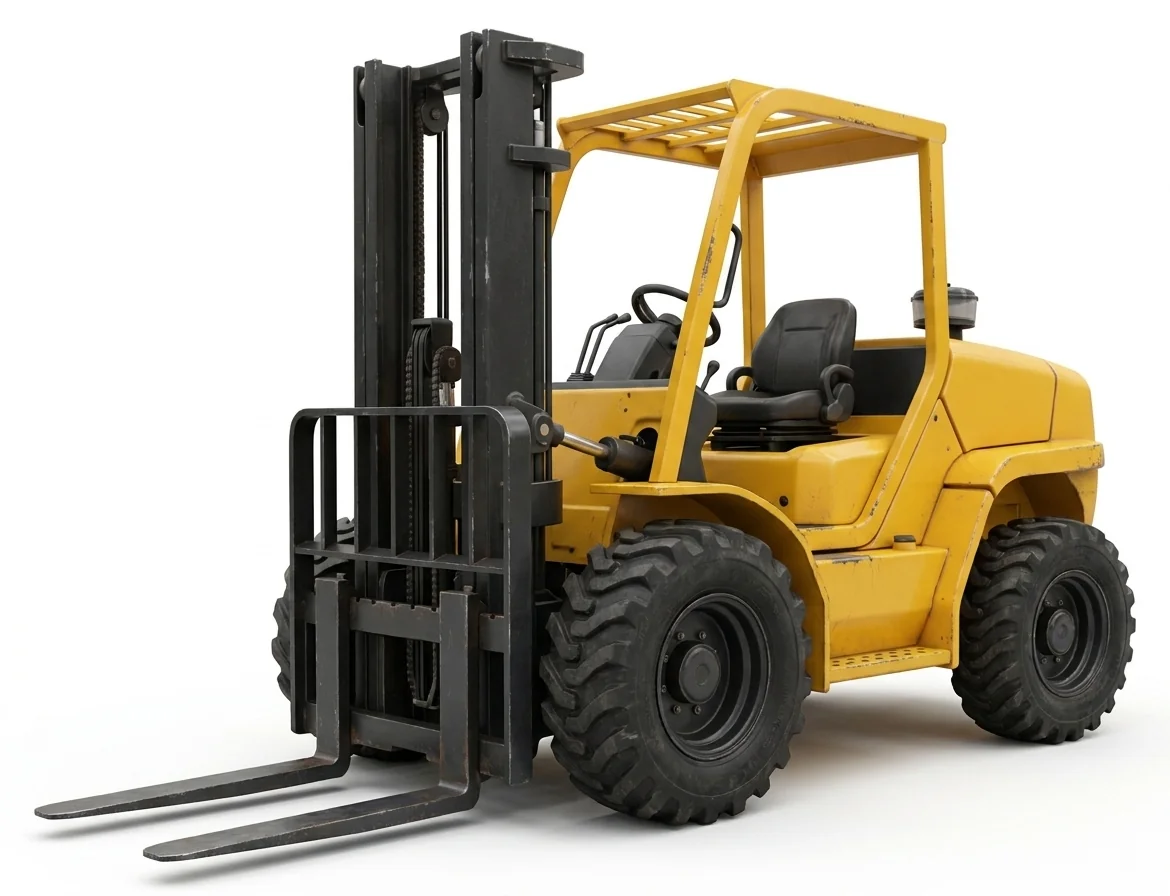
Forklifts shine on smooth, predictable surfaces. For Oklahoma City interiors—distribution aisles, production floors, and maintenance shops—cushion-tire, electric, or indoor-friendly units keep emissions down and turning circles tight. If the task crosses rough yards or wet approaches between buildings, compare an all-terrain option at /telehandler-rental/ or plan for a forklift rated for outdoor surfaces.
Aisles, heights, and weights
- Aisle width sets the truck class and mast design that can swing a pallet without clipping racking.
- Door and mezzanine heights determine collapsed mast clearance.
- Pallet weights plus attachments control required capacity, especially at higher lift heights.
Local considerations
Seasonal wind matters less indoors, but dock operations may open large doors that create gusty crossflows. Clay-based soils outside can stay muddy; keep the forklift on the slab where possible and stage loads within easy reach of the dock to avoid unstable ground transitions.
Battery, propane, or diesel
Power type follows the work zone. Many Oklahoma City facilities prefer electric for air quality and noise inside, provided charging access exists. Propane sees mixed indoor/outdoor roles with frequent dock work. Diesel tends to stay outdoors due to emissions and weight.
Information to have on hand
- Narrowest aisle and tightest turn on the route.
- Heaviest pallet and typical lift height.
- Thresholds, ramps, and dock leveler details.
- Floor condition and any load limits on mezzanines.
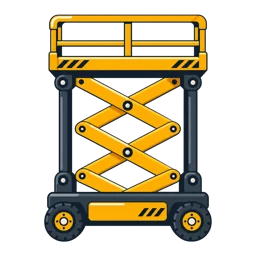
For personnel elevation inside racking or above assembly lines, consider /vertical-mast-lift-rental/ or /electric-scissor-lift-rental/.