Site surface and approach
- Ground condition: flat plains are common, but wet seasons can turn subgrade slick and uneven. Choose a spot that stays firm under truck and forklift traffic.
- Access route: confirm turning radius for delivery trucks and daily equipment approaches. Tight turns on muddy clay can carve ruts that block doors later.
- Elevation: minor grade changes can twist the frame and bind doors. Plan for a level pad.
Door orientation and wind
Oklahoma City’s open sites catch gusts that affect door handling and pedestrian traffic nearby. Actual conditions, the selected unit’s instructions, and site procedures govern safe use around doors. For planning, face openings toward work zones without creating a wind tunnel across walkways.
Sizing by load type and handling method
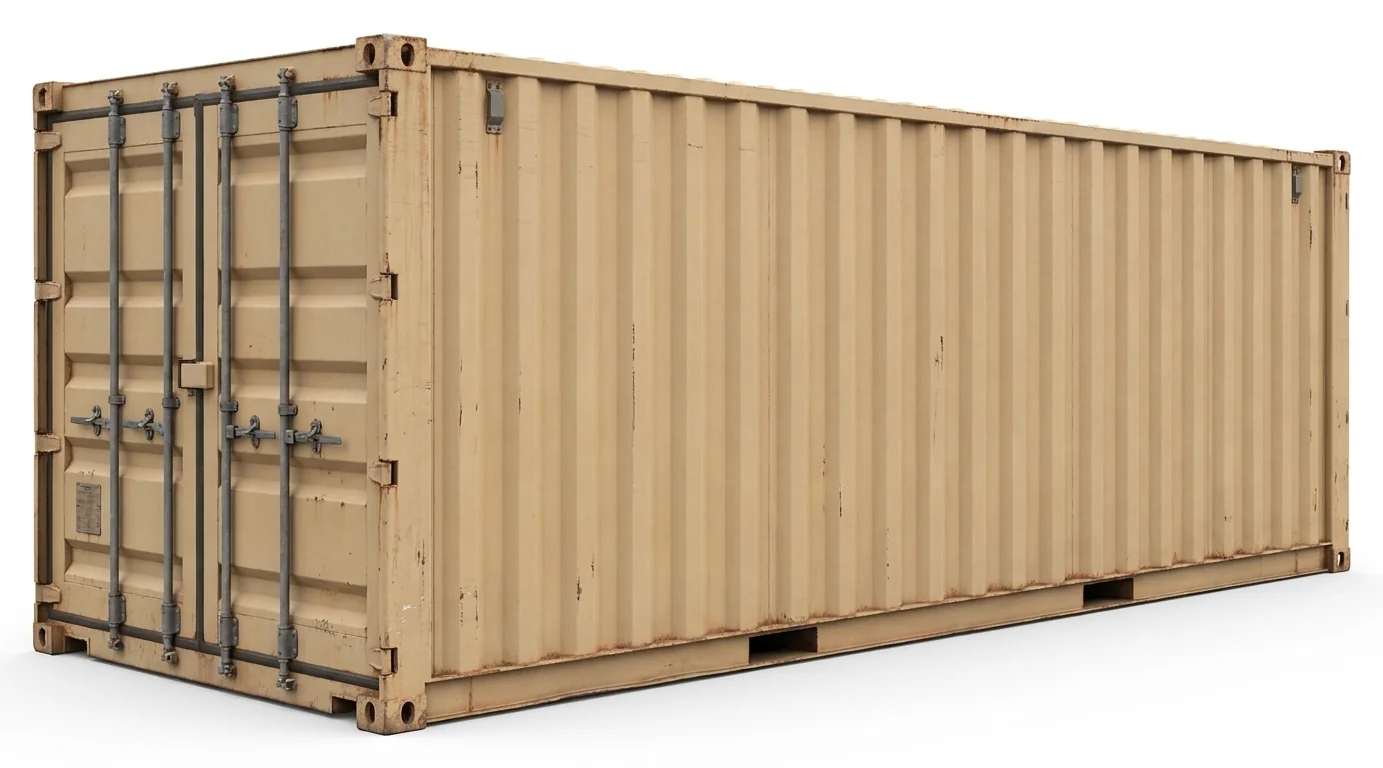
- Palletized inventory: match interior width and door clearance to your pallet dimensions and fork mast height. Check whether a side-load pattern or straight-through aisle makes more sense.
- Long stock: if you store conduit or duct sections, interior length and unobstructed diagonal space matter more than stacking height.
- Mixed trade storage: consider separate smaller units when crews need simultaneous access to avoid congestion at a single doorway.
Integration with lifts and material flow
Containers often serve jobs that also use aerial and material-handling equipment: - For pallet movement, see /forklift-rental/. - For staging parts near elevated tasks, coordinate with /vertical-mast-lift-rental/ or /electric-scissor-lift-rental/ inside finished spaces. - Outdoor staging on uneven lots may pair with /telehandler-rental/.
Heat, ventilation, and inventory care
Summer heat in Oklahoma City can elevate interior temperatures. Sensitive materials may need shade placement or airflow plans. Keep aisle space for quick retrieval to limit open-door time during windy periods.