When a vertical mast lift is the right comparison
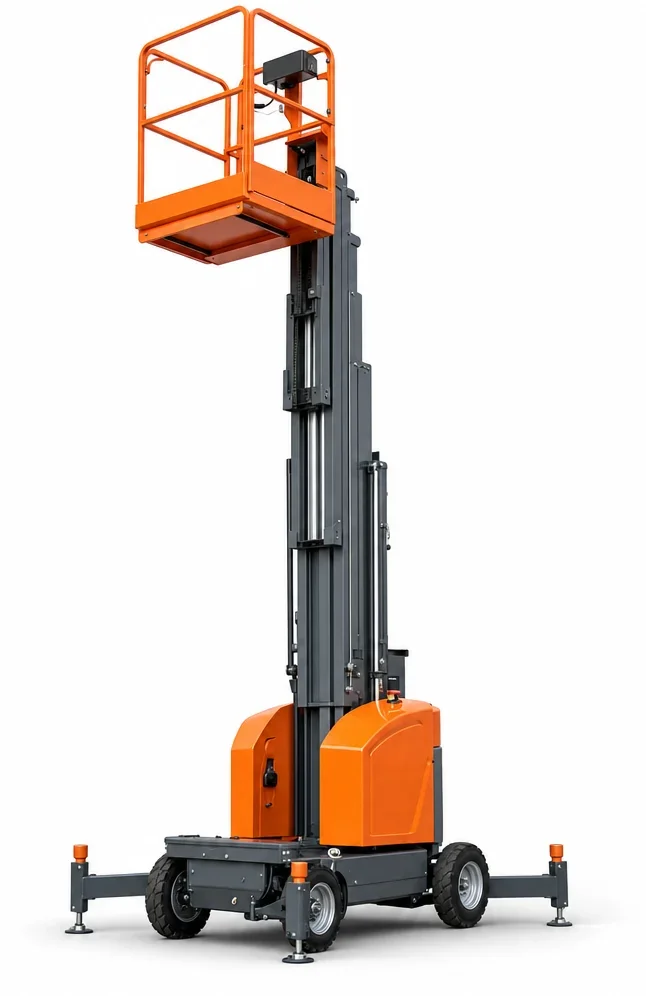
Choose this category when the platform can sit under the work and space is constrained. Typical Oklahoma City uses include facility maintenance between racking, signage work near entry vestibules, and tooling access in crowded production zones. Articulating or telescopic booms are better if the task sits behind obstacles; see /articulating-boom-lift-rental/ and /telescopic-boom-lift-rental/.
Clearance and floor considerations
Measure the narrowest doorway and corridor on the route. Many mast lifts pass through standard doors and turn within compact lobbies, making them suitable for interior tasks in local buildings. Floor condition and load limits matter on mezzanines and near trench cuts; confirm slab ratings along the planned path.
Stability and wind
These machines are intended for level, indoor slabs. Large open doorways in Oklahoma City facilities can create gusts; actual conditions, the model’s instructions, and site procedures govern whether a given height is appropriate in those borderline areas.
Productivity vs. footprint
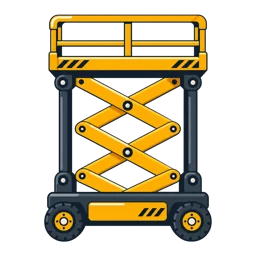
Vertical masts often carry small, precise platforms with minimal floor impact. Upfit options can support light tools and parts without exceeding platform capacity. If the task requires more deck space or multiple workers side by side, an interior scissor category at /electric-scissor-lift-rental/ may be more efficient.
Planning checklist
- Doorway width/height on the tightest access point.
- Turning radius needed through the route.
- Required platform height at the task.
- Floor loading limits and any ramps or thresholds.