Start with load, run time, and footprint
- Electrical load: list the peak draw and any start-up surges for welders, fans, compressors, or temporary offices. Continuous loads and intermittent spikes call for different generator headroom.
- Run time: overnight pours, shift work, or weekend outages suggest larger tanks or external fuel plans.
- Footprint: many Oklahoma City jobs place equipment on flat but sometimes clay-rich ground. After rain, soft spots can require mats or relocation to stable pads.
Cable routes and access around big sites
Large logistics and aerospace-related facilities in the city spread tasks across long distances. Plan the main cable route before you place the unit: - Distance to panels or tools: long runs increase voltage drop and affect the generator size and cord gauge. - Crossings: traffic lanes between bays or hangar doors may need protected cable paths or alternate routing. - Access: confirm that a truck or trailer can approach the pad without tight turns on wet subgrade.
Light coverage in windy, open areas
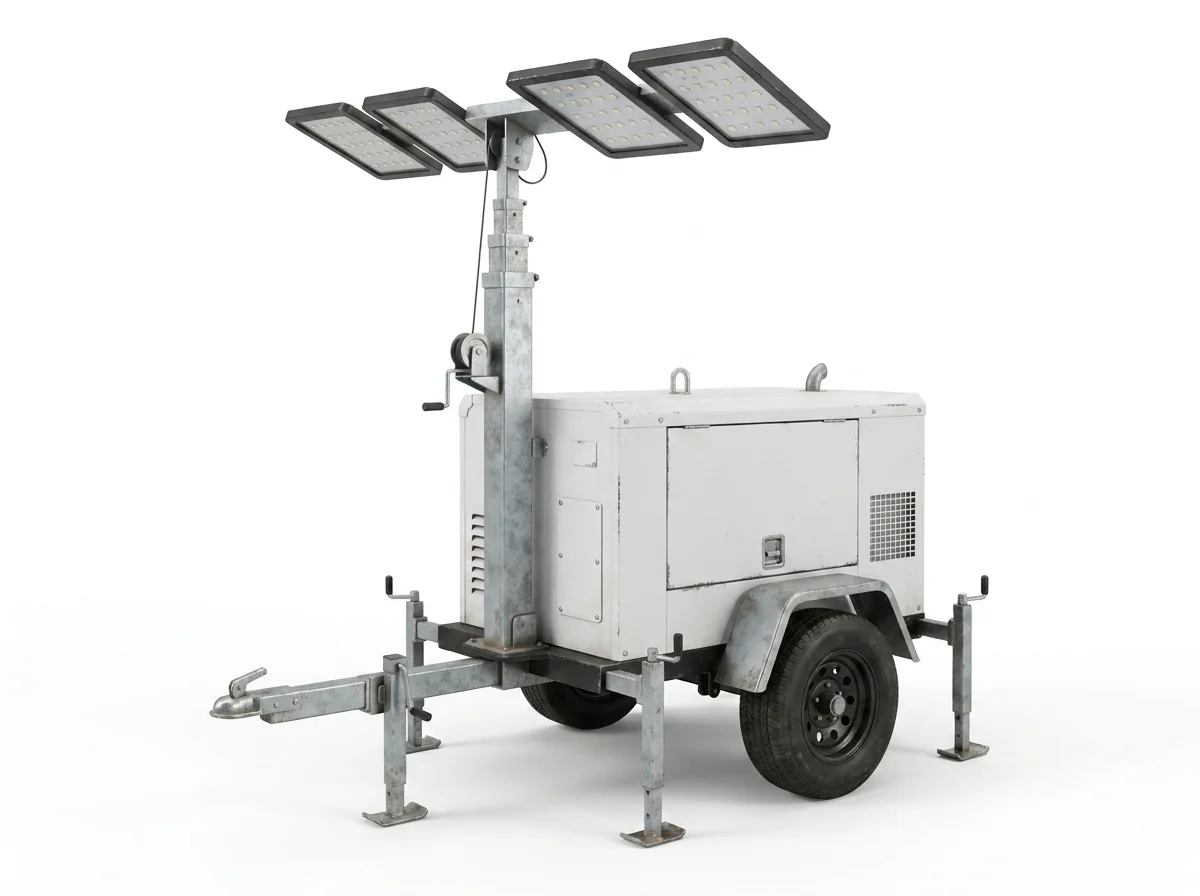
Open plains and broad parking aprons create clean sightlines but expose light towers to wind. Actual conditions, the selected unit’s instructions, and site procedures govern safe mast height and deployment. For planning: - Coverage goal: define the task zone edges rather than trying to flood an entire yard. - Mast position: set units outside equipment swing radii and away from door tracks. - Glare control: angle fixtures to avoid blinding operators at nearby lifts or trucks.
Heat and duty cycle considerations
Intense summer heat in Oklahoma City can lengthen cooling cycles and affect continuous output. Space units for ventilation, avoid recirculating hot exhaust near walls, and consider derating guidance from the unit documentation when ambient temperatures push limits.
Related equipment planning
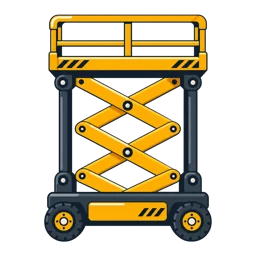
If lighting supports elevated work, coordinate with aerial platforms: - For indoor racking or assembly lines, see /electric-scissor-lift-rental/. - For uneven outdoor surfaces after rain, see /rough-terrain-scissor-lift-rental/ or /boom-lift-rental/.
When a containerized or trailer unit fits
Jobs that move between pads during the week benefit from trailer-mounted units. Stationary phases near temporary offices may suit containerized packages with integrated distribution.